How to Stay Motivated to Work Out at Home
Working out at home is convenient, free, and comfortable — and also incredibly easy to skip when the couch is right there and no one’s expecting you anywhere. The lack of a gym’s structure cuts both ways. But with a few smart tricks, you can build a home workout habit that actually sticks. Here’s how to stay motivated.

Why Home Workouts Are Easy to Skip
The very convenience of home workouts is also their weakness: no set class time, no commute you’ve committed to, no one watching. So motivation has to come from structure you create rather than structure imposed on you. Build in cues, routines, and accountability, and the couch loses its grip. Design beats willpower.
The Motivation Tricks
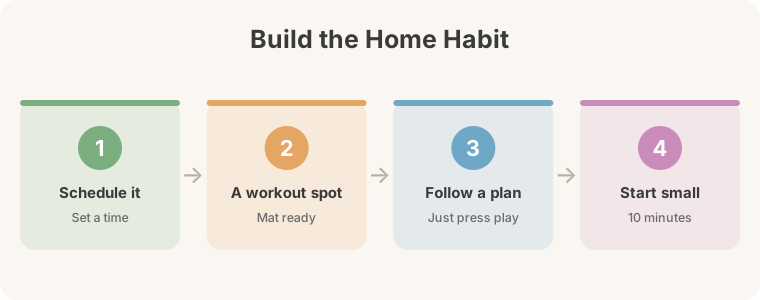
1. Schedule It Like an Appointment
Pick a specific time and treat it as non-negotiable. “After my morning coffee” beats “sometime today” every time.
2. Create a Dedicated Space
Even a small workout corner with your mat ready signals “this is where we move” and lowers the friction to start.
3. Follow a Plan or Video
Structure removes decision fatigue. Following a program or video means you just press play instead of wondering what to do.
4. Make It Enjoyable
Choose workouts you actually like, play good music, and it stops being a chore. Fun is the best motivator.
5. Find Accountability
A workout buddy (even virtual), a tracker, or a challenge keeps you honest. Sharing the goal helps you show up.
6. Start Small
On low-motivation days, commit to just 10 minutes. Starting is the hardest part — and you’ll often keep going.

Bottom Line
Stay motivated to work out at home by scheduling it like an appointment, creating a dedicated space, following a plan, making it enjoyable, finding accountability, and starting small on tough days. Home workouts need structure you build yourself — put these in place and the habit sticks. Beat the couch, press play, and keep showing up. This article is for general wellness purposes only and isn’t medical advice.
Keep Reading
This article is for general informational purposes only and is not medical advice. It is not a substitute for professional diagnosis or treatment. Always consult a qualified healthcare provider about your individual situation, especially before making significant changes to your diet or exercise routine.