Wall Pilates: The Home Workout Trend That's Actually Good
Every viral fitness trend earns skepticism — but wall Pilates survives scrutiny. The wall isn’t a gimmick; it’s feedback, support and resistance in one free apparatus. Here’s why it works and the moves worth doing.
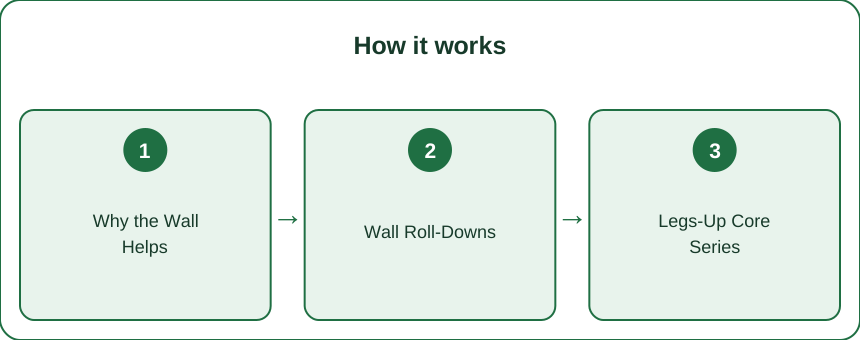
Why the Wall Helps
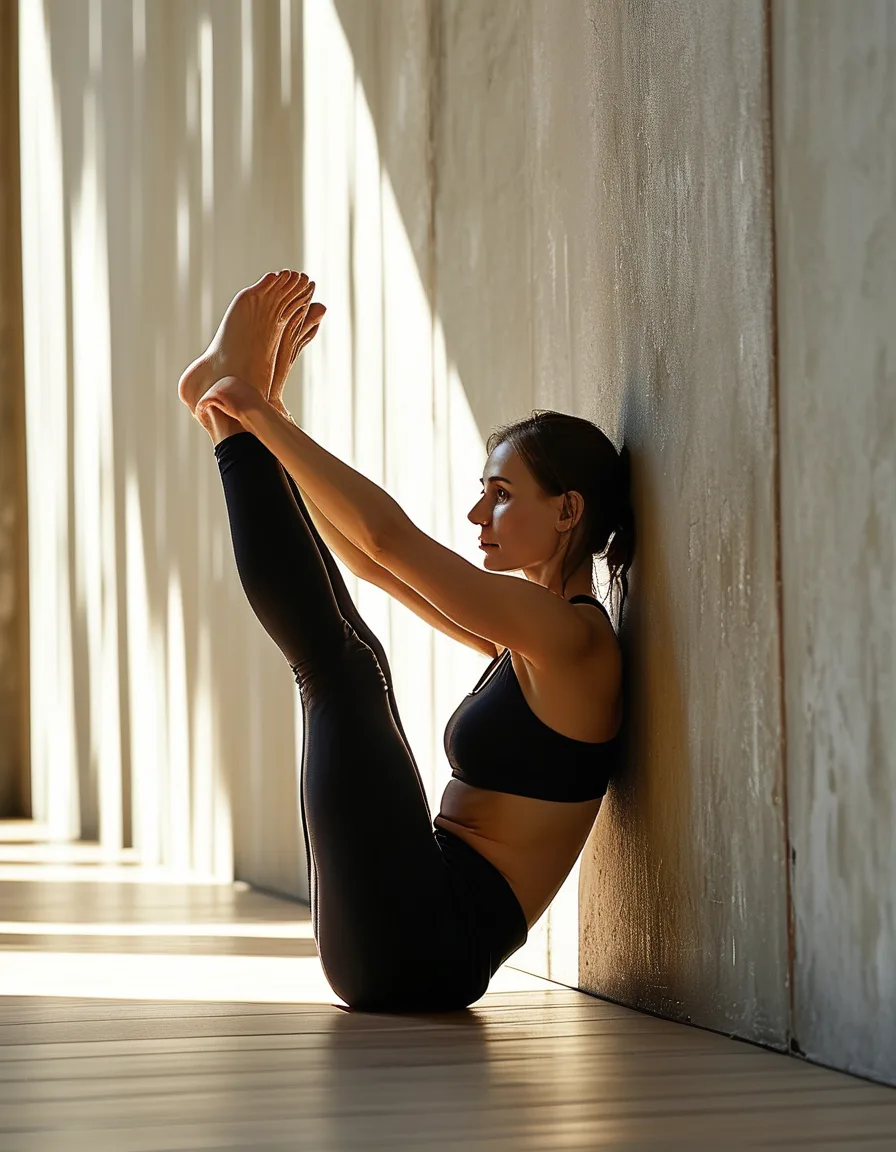
The wall gives your body a reference point - alignment feedback you can feel - plus support for beginners and leverage for resistance. It makes Pilates both more accessible and, done right, harder. Free equipment, honest results.
Wall Roll-Downs
Back against the wall, peel your spine off vertebra by vertebra, then restack. The wall reveals exactly where your spine skips segments. It’s spinal articulation with a built-in teacher.
Legs-Up Core Series
Lie down, legs vertical against the wall, and run curls, toe reaches and scissors. The wall stabilizes legs so your core does pure work. Deceptively gentle-looking, honestly humbling.
Wall Sits Meet Pilates
Slide into a wall sit and add slow arm circles, heel raises or single-knee floats. Thighs burn while your core coordinates. This is where ‘the wall is easy’ opinions go to die.
Glute Bridges, Feet on Wall
Feet planted on the wall, knees at 90, bridge up slowly. The angle intensifies hamstring and glute work beyond floor bridges. Three sets and you’ll respect the trend.
Wall Pilates earns its virality: alignment feedback, scalable support, and burn that sneaks up politely. Roll-downs, leg-up cores, loaded wall sits, wall bridges - ten minutes daily against any wall you own. Trends fade; this one deserves a permanent spot.
Keep Reading
This article is for general informational purposes only and is not medical advice. It is not a substitute for professional diagnosis or treatment. Always consult a qualified healthcare provider about your individual situation, especially before making significant changes to your diet or exercise routine.